Remember that you may always combine and adjust indicators to create a consistently lucrative approach. The options are limitless. But, before you become overwhelmed by all the alternatives, start by answering these four crucial questions first:

1.What do you want to use the indicator for?
If you wish to track trends, moving averages may be the best solution. If you enjoy predicting market peaks and bottoms, oscillators such as Stochastic or RSI may be your best choice.

2. Do you know how the indicator works?

You don't need to memorize the intricate formulae, but knowing what sort of data goes in (for example, the average of the last X closing prices or the ratio of highs vs. lows in the previous X bars) can help you comprehend what kind of data is produced.

3. When does the indicator fail?

Moving averages, for example, do not provide trustworthy signals in rangebound markets, thus relying solely on crossings may lead to erratic price activity. Some oscillators predict reversals too early, making you vulnerable to fake outs if you use leading indicators with incorrect settings.

4. What settings should you use?

Where is the ideal balance between this wide range of sensitive and frequently faulty signals on one end and trailing but more reliable signals on the other? Some argue that the default settings are frequently the best because they are what most market observers use anyhow. This implies that they often have a self-fulfilling impact.
529 次浏览

4 Questions To Ask When Picking Technical Indicators

已上传 1 年 前

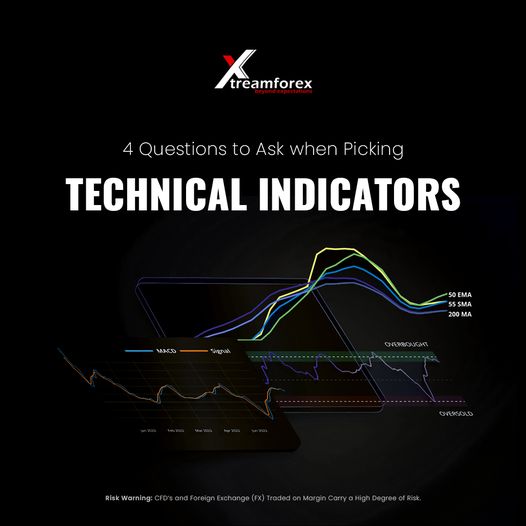
Remember that you may always combine and adjust indicators to create a consistently lucrative approach. The options are limitless. But, before you become overwhelmed by all the alternatives, start by answering these four crucial questions first:

1.What do you want to use the indicator for?
If you wish to track trends, moving averages may be the best solution. If you enjoy predicting market peaks and bottoms, oscillators such as Stochastic or RSI may be your best choice.

2. Do you know how the indicator works?

You don't need to memorize the intricate formulae, but knowing what sort of data goes in (for example, the average of the last X closing prices or the ratio of highs vs. lows in the previous X bars) can help you comprehend what kind of data is produced.

3. When does the indicator fail?

Moving averages, for example, do not provide trustworthy signals in rangebound markets, thus relying solely on crossings may lead to erratic price activity. Some oscillators predict reversals too early, making you vulnerable to fake outs if you use leading indicators with incorrect settings.

4. What settings should you use?

Where is the ideal balance between this wide range of sensitive and frequently faulty signals on one end and trailing but more reliable signals on the other? Some argue that the default settings are frequently the best because they are what most market observers use anyhow. This implies that they often have a self-fulfilling impact.

Tip: Use Image link when sharing on other sites. Image URL has limited bandwidth.
通过点击图像预览来编辑或调整任意图像的大小
通过点击图像预览来调整任意图像
上传 0 图片 (0% 完成)
队列上传中. 顷刻间便能完成.
上传完毕
图片已经添加到 . 您可以将刚刚上传的图片 创建相册.
图片已经添加到 .
您可以将刚刚上传的图片 创建相册. 您必须 注册账户登录 才能将此内容保存到您的帐户中。
没有 图片被上传
Some errors have occurred and the system couldn't process your request.
    注册 to be able to create private albums and delete images after upload.
    注意: 一些图像不能上传. 了解更多
    检查 错误报告 更多信息.
    JPG PNG BMP GIF WEBP 50 MB