Remember that you may always combine and adjust indicators to create a consistently lucrative approach. The options are limitless. But, before you become overwhelmed by all the alternatives, start by answering these four crucial questions first:

1.What do you want to use the indicator for?
If you wish to track trends, moving averages may be the best solution. If you enjoy predicting market peaks and bottoms, oscillators such as Stochastic or RSI may be your best choice.

2. Do you know how the indicator works?

You don't need to memorize the intricate formulae, but knowing what sort of data goes in (for example, the average of the last X closing prices or the ratio of highs vs. lows in the previous X bars) can help you comprehend what kind of data is produced.

3. When does the indicator fail?

Moving averages, for example, do not provide trustworthy signals in rangebound markets, thus relying solely on crossings may lead to erratic price activity. Some oscillators predict reversals too early, making you vulnerable to fake outs if you use leading indicators with incorrect settings.

4. What settings should you use?

Where is the ideal balance between this wide range of sensitive and frequently faulty signals on one end and trailing but more reliable signals on the other? Some argue that the default settings are frequently the best because they are what most market observers use anyhow. This implies that they often have a self-fulfilling impact.
OFFICIAL PARTNER Content Protection

Found your images on other sites?

Don't let them stay up. We force removal from file hosts & Google. No subscription needed.

Start Takedown →
680 lượt xem

4 Questions To Ask When Picking Technical Indicators

Đã up lên cách đây 1 năm

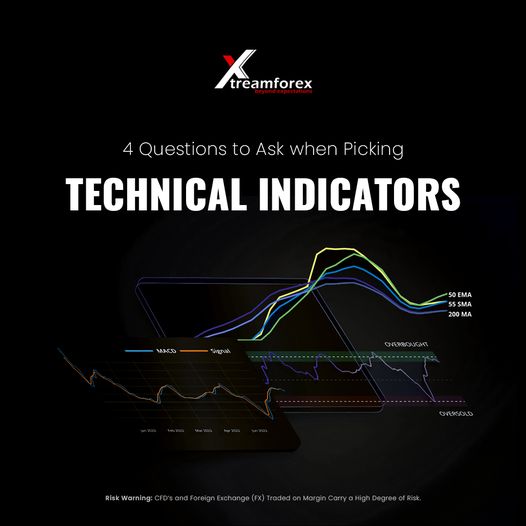
Remember that you may always combine and adjust indicators to create a consistently lucrative approach. The options are limitless. But, before you become overwhelmed by all the alternatives, start by answering these four crucial questions first:

1.What do you want to use the indicator for?
If you wish to track trends, moving averages may be the best solution. If you enjoy predicting market peaks and bottoms, oscillators such as Stochastic or RSI may be your best choice.

2. Do you know how the indicator works?

You don't need to memorize the intricate formulae, but knowing what sort of data goes in (for example, the average of the last X closing prices or the ratio of highs vs. lows in the previous X bars) can help you comprehend what kind of data is produced.

3. When does the indicator fail?

Moving averages, for example, do not provide trustworthy signals in rangebound markets, thus relying solely on crossings may lead to erratic price activity. Some oscillators predict reversals too early, making you vulnerable to fake outs if you use leading indicators with incorrect settings.

4. What settings should you use?

Where is the ideal balance between this wide range of sensitive and frequently faulty signals on one end and trailing but more reliable signals on the other? Some argue that the default settings are frequently the best because they are what most market observers use anyhow. This implies that they often have a self-fulfilling impact.

Tip: Use Image link when sharing on other sites. Image URL has limited bandwidth.
Sửa hoặc chỉnh cỡ bất kì ảnh nào bởi nhấp vào xem thử
Sửa bất kì ảnh nào bởi chạm vào xem thử
Đang tải lên 0 ảnh (0% Hoàn tất)
Danh sách đang được tải lên, nó có thể mất đôi chút thời gian để hoàn thành.
Upload xong rồi!
Đã tải nội dung lên . You can tạo album mới with the content just uploaded.
Đã tải nội dung lên .
You can tạo album mới with the content just uploaded. You must tạo tài khoản or đăng nhập to save this content into your account.
No ảnh have been uploaded
Some errors have occurred and the system couldn't process your request.
    Đăng ký to be able to create private albums and delete images after upload.
    Lưu ý: Một số ảnh không được upload. xem tiếp
    Chọn thông báo lỗi để biết thêm chi tiết.
    JPG PNG BMP GIF WEBP 100 MB